Milan
The Museum of InnocenceMilan is both a destination Kemal Basmacı repeatedly sought out for its museums and the setting of the closing events of his life. His last visit brings together the habits that shaped him as a collector, a chance meeting with Sibel and Zaim, and his death at the Grand Hotel et de Milan; after his death, the narrator’s visit to the city helps explain what Kemal had been seeking there.
A Recurring Museum Destination
Kemal went to Milan whenever he could, returning every few years to experience the Bagatti Valsecchi Museum, which he ranked among the five most important museums in his life. By the time he died, he had visited 5,723 museums. His particular interest in the Bagatti Valsecchi was its collection of everyday possessions: old beds, lamps, Renaissance mirrors, pots, and pans. The museum mattered to him not simply as a display of art or historical prestige, but as a place where the ordinary things of a life had been gathered into a collection.
That understanding accords with the principles he left behind: a museum is made through the experience its collection expresses, and without its collection it becomes only a gallery. Milan thus represents more than one stop on a collector’s travels. The Bagatti Valsecchi gave Kemal a model for the close attention to daily objects that also informed his own museum.
The Last Encounter
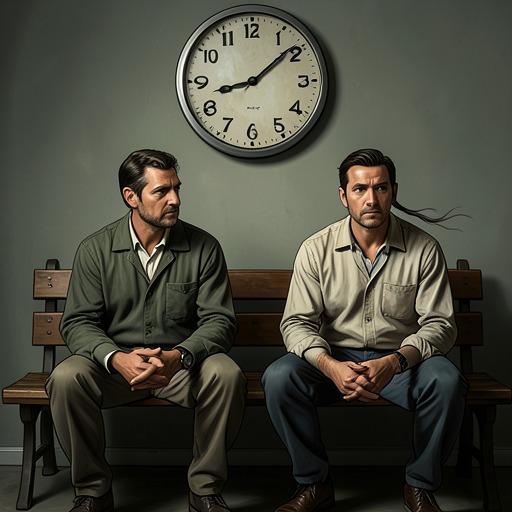
On the afternoon of April 11, 2007, half a day before his death, Kemal unexpectedly met Sibel and Zaim in Milan. They were on a three-day pleasure trip with their two daughters, walking together, looking into shop windows, and eating brightly colored ice cream. Kemal first noticed the elder daughter, whose resemblance to Sibel was striking, and approached her believing she was Sibel. Only then did he recognize the family.
Sibel later remembered Kemal as tired, disheveled, and visibly unhappy, very different from the charming, lively man to whom she had once been engaged at the Hilton Hotel, Istanbul. She said that she and Zaim felt distressed by his condition; he had become so changed that, had he not recognized their daughter, they might not have recognized him. Their meeting also made the length of their separation tangible: the narrator calculates that it was thirty-one years after Kemal’s last meal with Sibel at Fuaye.
The Museum Before His Death
The narrator later went to Milan to discover what had upset Kemal shortly before the encounter. At the Bagatti Valsecchi Museum, he learned that the building was in serious disrepair and that part of it had been rented as a boutique for designer Jenny Colon. The narrator’s account links this discovery to the chance meeting that followed, explaining why the encounter with Sibel and Zaim found Kemal already so troubled.
The museum’s staff and directors had known Kemal as a visitor who returned every few years. The women guards, dressed in black uniforms, wept when they learned of his death, and the directors were distraught as well. Their response makes the museum more than a backdrop to his travels: it had become part of the life he had built around collecting, and his repeated visits had made him familiar to the people who cared for it.
Death and Narrative Significance
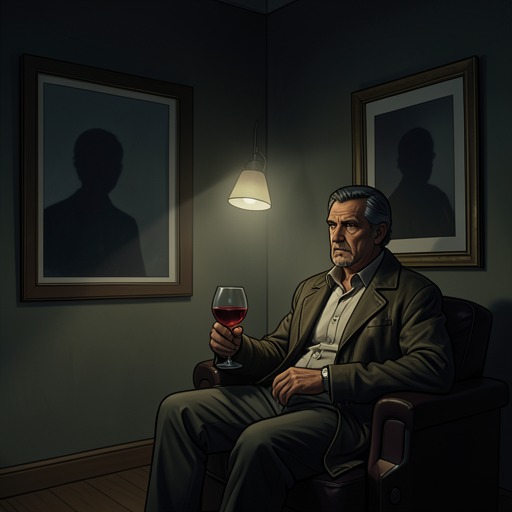
In the early hours of April 12, 2007—Füsun’s fiftieth birthday—Kemal died of a heart attack in his sleep, aged sixty-two, in a room overlooking Via Manzoni at the Grand Hotel et de Milan. He stayed at that hotel whenever he visited the city. Milan is therefore the place of his death as well as the setting of his last encounter with Sibel and Zaim, juxtaposing a final glimpse of his earlier social life with the solitude of his final night.
The narrator’s return to Milan after Kemal’s death turns the city into a site of inquiry. Learning what Kemal had seen at the Bagatti Valsecchi allows him to understand the encounter not as an isolated reunion but as a moment framed by Kemal’s attachment to museums and the ordinary objects they preserve. In this way, Milan connects the collector’s private habits with the narrator’s work of reconstructing his life.